








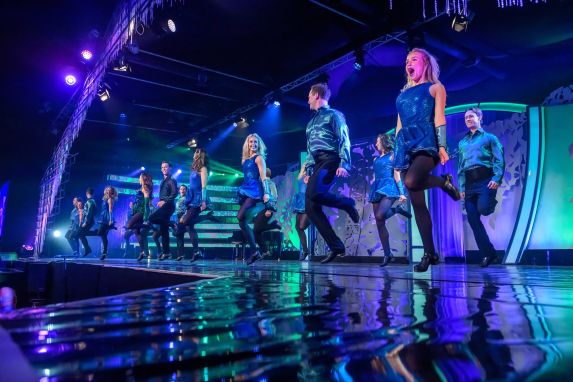

Why Irish Dance? The Benefits of Dance for Children
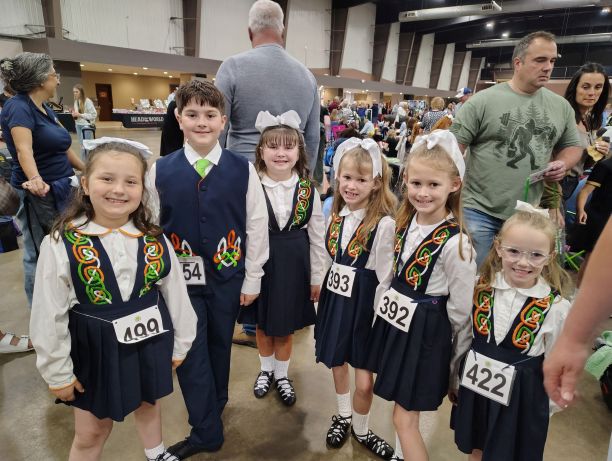
Irish Dance is so much more than learning steps - it gets children moving, challenges their minds, builds coordination and confidence, and can lead to some pretty special friendships along the way. Here’s why Irish Dance might be worth a try.
Maybe your preschooler dances around the kitchen whenever music comes on. Maybe your kindergartner has energy to burn. Or maybe you're simply looking for an activity that gets your child moving, builds confidence and gives them a chance to make new friends.
Have you thought about Irish Dance?
You don't need an Irish surname—or any Irish ancestry at all—to give it a try.
Irish Dance may be rooted in Irish music and culture, but today it's a truly global dance form enjoyed by children of all backgrounds. And children can start surprisingly young, with many schools offering beginner programs from around ages 3 to 5.
For little ones, it's not about competitions, fancy costumes or complicated choreography. It's about movement, music, learning new skills and having fun.
And it turns out there are some pretty good reasons to get your child dancing.
It Gets Them Moving — Without Feeling Like Exercise
Young children aren't thinking about cardio or fitness. They just want to have fun.
That's one of the great things about dance.
Put on music, teach them a few steps and suddenly they're moving their bodies while concentrating on something completely different.
Research involving children and adolescents has found dance can be a valuable form of physical activity with both physical and psychological benefits.
And Irish Dance can grow right along with your child. A three- or four-year-old might start with a short weekly class filled with basic movements and music. As dancers get older and develop their skills, Irish Dance can become increasingly challenging and athletic.
But it all starts with those first few steps.
Balance, Coordination...and Figuring Out What Those Feet Are Doing!
There's a lot of physical development happening between ages 3 and 7.
Children are still mastering skills like hopping, balancing, changing direction and coordinating different parts of their bodies—and dance gives them another fun way to work on those skills.
In fact, a recent review of research involving preschool children found that dance programs improved fundamental motor skills, including body coordination and balance.
Even a beginning Irish Dancer is learning to hear a beat, move their feet in a particular way, balance their body and eventually put several movements together.
To them, they're learning a dance.
Their little bodies are learning quite a bit more.
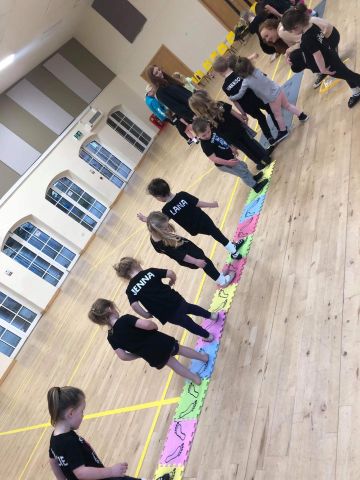
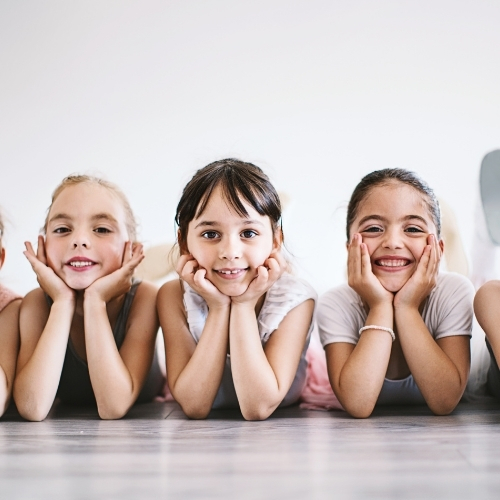
Learning one step at a time! Fun activities can help young Irish Dancers develop movement, balance and coordination while learning the basics.
Their Brains Are Busy, Too
“Wait...which foot do I start with?”
Irish Dance isn't just about moving your feet.
Children have to watch their teacher, listen to instructions, hear the rhythm, remember what comes next—and then somehow get their bodies to actually do it!
As they progress, dancers begin remembering longer sequences of steps and learning to recognize different rhythms.
Researchers continue to study dance and cognitive development, but you don't need a scientific study to appreciate that learning choreography involves attention, memory and concentration.
That's a pretty nice bonus for an activity your child thinks they're doing simply because it's fun.
Confidence Can Start With One Little “I Did It!”
Confidence doesn't have to come from winning a trophy.
For a four-year-old, it might be finally remembering a step they've been practicing for weeks.
It might be dancing in front of Grandma.
It might be performing with their class at a St. Patrick's Day celebration.
Or it might simply be walking into the studio without holding Mom or Dad's hand.
Dance gives children lots of opportunities for those little moments of:
“I did it!”
Some children will eventually love performing. Some may want to compete. Others may simply love coming to class every week.
There doesn't have to be one definition of success.
Then There Are the Dance Friends
This may be one of the hardest benefits to measure—but one of the easiest to see.
Irish Dance gives children a circle of friends outside their regular school and neighborhood.
They learn together. They laugh together. As they get older, they may perform together, compete together, travel together and cheer each other on.
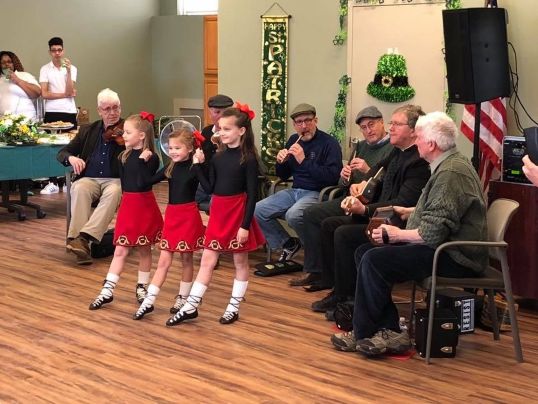
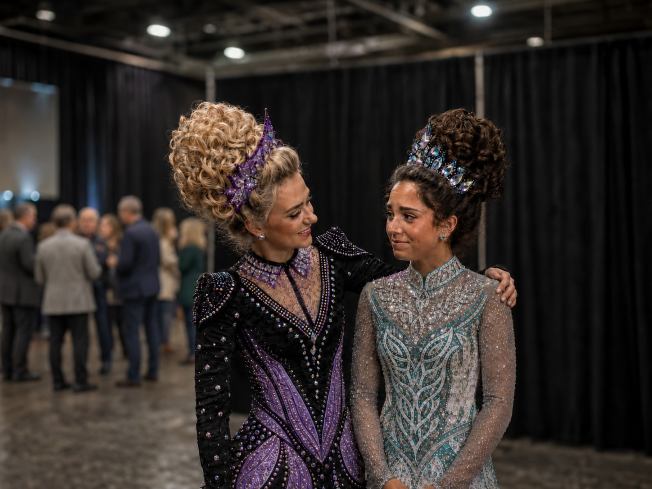
Sometimes the best part of Irish Dance isn't what happens on stage—it's the friendships made along the way.
Ask adults who grew up Irish Dancing what they remember most and you'll hear plenty of stories about their dance friends.
The medals eventually end up in a box.
The friendships can last much longer.
And Yes, Boys Irish Dance, Too!
Have a son? Don't automatically cross Irish Dance off your list.
Irish Dance is for boys and girls.
Boys participate at every level—from their very first beginner class to international championships and professional stages.
If your son loves music, jumping, movement and learning new physical skills, Irish Dance may be well worth trying.
The same rule applies whether you're considering Irish Dance for a son or daughter:
Let them try it and see what they think.
Irish Roots. A Global Dance Form.
Irish Dance will always be connected to Ireland.
Children dance to reels, jigs and hornpipes. They're introduced to Irish music and traditions, and for families with Irish ancestry, dance can provide a wonderful connection to their heritage.
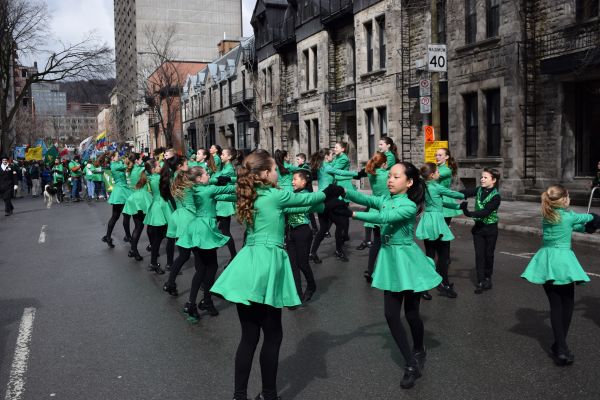
Irish Dance brings movement, music and culture together—and today children around the world are joining in.
But you absolutely do not have to be Irish to Irish Dance.
Today's Irish Dance community stretches across the United States, Canada, Ireland, the United Kingdom, Continental Europe, Mexico, Australia, Asia and far beyond.
Children from all sorts of cultures and backgrounds are dancing.
You don't need an Irish grandparent.
You just need a child who wants to dance.
Worried About Competitions, Costumes and the Commitment?
Don't be.
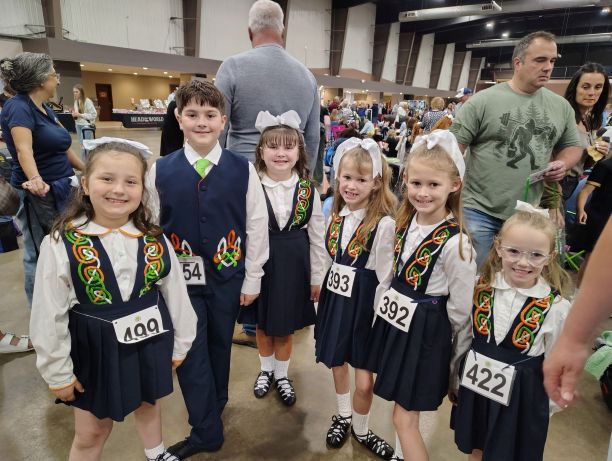
If your only exposure to Irish Dance has been through social media, major competitions or shows, you might think signing your preschooler up means you're entering a world of sparkling costumes, wigs, travel and serious training.
That's not what your three-, four- or five-year-old is signing up for.
Many young beginners start with just one class a week.
Your child doesn't need previous dance experience. They don't need perfect rhythm. And they definitely don't need to know how to point their toes or perform a dance before walking through the door.
That's why they're taking lessons!
Competition is available for dancers who eventually want it, but not every child will choose that path. Schools have different approaches, so it's always worth asking a teacher about expectations when choosing a program.
What If My Child Is Shy?
That's okay, too.
Some children will run into their first class without looking back.
Others may stand beside you, watch everything happening and need a little more time.
Neither reaction tells you whether they'll eventually love dancing.
A good beginner teacher understands that children develop at different rates. Sometimes the child who spends the first lesson quietly taking everything in is the one asking a few weeks later:
“Is today my dance day?”
Give them a chance to discover it.
The Best Part? You May Be Able to Try It for Free
Before committing to a full program, ask about a free trial class.
Many Irish Dance schools offer a complimentary first lesson or another introductory opportunity for new dancers. Some even offer multiple free lessons or special beginner programs.
It's a great way to meet the teacher, see the studio and find out how your child responds to the class.
And really, the review that matters most may happen on the car ride home.
If you hear:
“When can I go back?”
you probably have your answer.
Ready to Give Irish Dance a Try?
Finding the right teacher and school is an important first step.
Use the Irish Dancing Magazine Dance School Directory to explore Irish Dance schools and teachers around the world and find a program near you.
And this is just the beginning.
In our Starting Irish Dance series, we're answering the questions parents new to Irish Dance really want answered:
What age should my child start? How long are beginner classes? What should they wear? Do they need special shoes? And—yes—how much do Irish Dance lessons actually cost?
Welcome to the World of Irish Dance!
Whether your child is taking their very first class or someday dreams of dancing on the world's biggest stages, Irish Dancing Magazine is here for the journey.
For nearly three decades, we've been bringing the worldwide Irish Dance community together with dancer interviews, training and health advice, competition coverage, travel, fashion, music and stories from across the globe. For ages 6+ through adult - Irish Dancing Magazine is the "go to" resource for all things Irish Dance!
Subscribe to Irish Dancing Magazine and discover the world of Irish Dance with us.